
Pressure builds on Labor to stop international students from bringing family
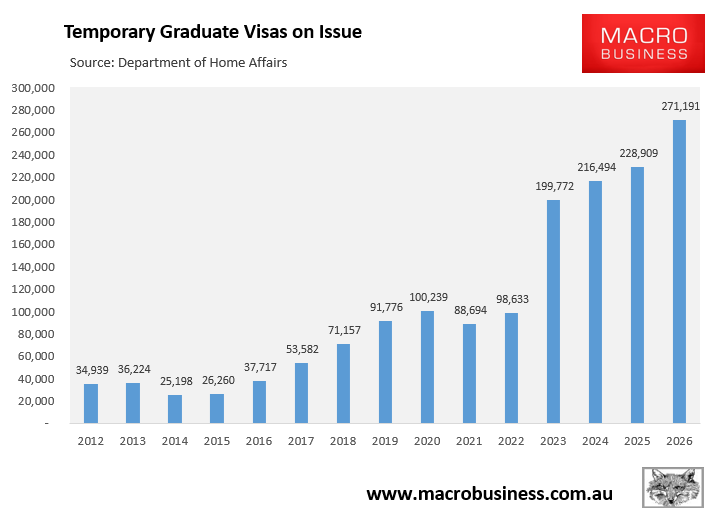
Graduate (485) visas have been the second-fastest-growing category of temporary visas since Labor came to office in mid-2022.
According to the Department of Home Affairs, the number of graduate visas on issue ballooned by 172,000 between Q2 2022 and Q2 2026, an increase of 175%.
Pauline Hanson has demanded that all secondary applicants on student and graduate visas be scrapped.
Australia’s immigration rules permit both international students and graduate visa holders to bring family members with them, with spouses legally having the same work rights as the primary applicants. For example, they are allowed to work up to 48 hours a fortnight during a semester while on a student visa (unlimited hours outside of the semester).
The Australian government actively promotes international students being able to bring family members on its Study Australia website, using it as a marketing tool.
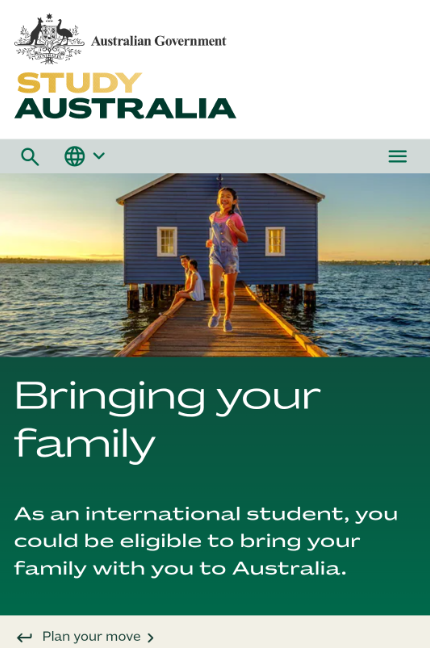
“Thousands of international students bring family members with them to Australia each year. It’s an excellent way for your family to learn about other cultures, explore a new country, learn in diverse classrooms, develop their language skills, and build lifelong connections”, the Study Australia website advertises.
“You can include family members when you lodge your student visa application, including:
- your partner (spouse, de facto or same-sex partner)
- your dependent child/children under 18 years of age and, or
- your partner’s dependent child/children under 18 years of age”…
According to the Department of Home Affairs, 13.3% of the 592,342 student visa holders in June 2025 were secondary family members of the primary applicants.
Higher education analyst Andrew Norton estimated last year that around one in five graduate (485) visas on issue are for the spouses or children of primary visa holders, with the share rising to one in three for graduate visas from India, Bhutan, Nepal, Pakistan, the Philippines, and Sri Lanka.
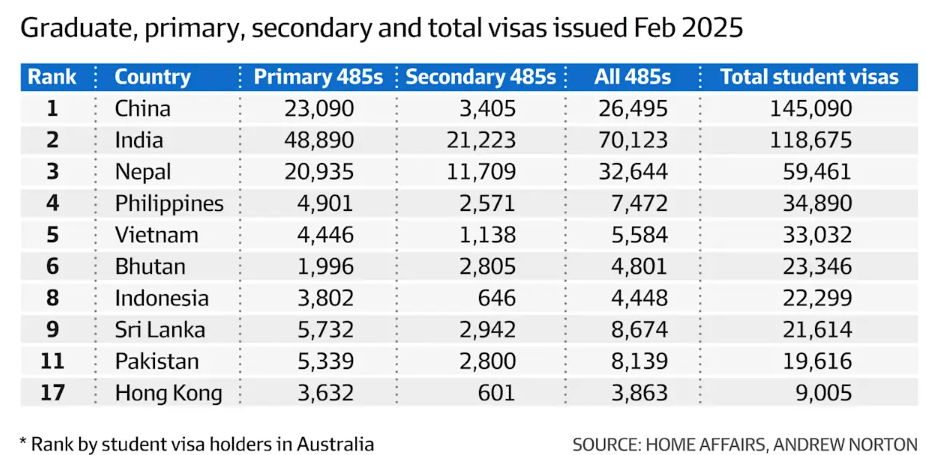
Norton said it was “very likely” that some groups (e.g., South Asians) were exploiting the graduate visa program by bringing their family members to access the job market en route to permanent residency.
New data published in the Daily Telegraph suggests that the share of graduates who are secondary family members might be even higher:
“According to Home Affairs data, there were 271,191 temporary graduate visa holders at the end of June, a 174% bump from when Labor won power in 2022. In the same period, the secondary applicants on a 485 visa grew 204%, from more than 24,200 in June 2022, to nearly 73,900 in June, 2026″…
“Of 271,191 temporary graduate visas in Australia this year, almost 74,000 of them are used by family members”.
The UK government, at the start of 2024, banned undergraduate international students from bringing family members to “crack down on those who take advantage of the flexibility of the UK’s immigration system” and to “end the unreasonable practice of overseas students bringing their family members to the UK”.
Australia should follow the UK and ban undergraduate international students from bringing family members to Australia to work.
We should also tighten eligibility for graduate visas.
Australia currently permits almost any international student under the age of 35 who completes at least a two-year course to qualify for a graduate visa, which then entitles them to work in any occupation for 18 months (for vocational graduates) or 2 or more years for graduates of bachelor degrees or higher.
The federal government’s 2023 Migration Review found that just over half of international graduates with bachelor’s degrees were working in low-skilled jobs three or more years after graduation.
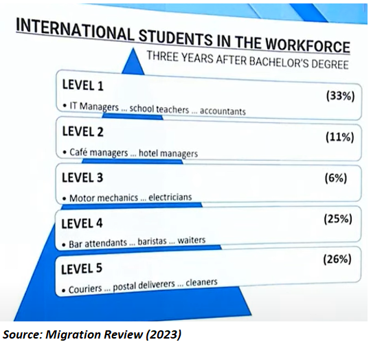
Australia should tighten access to graduate visas by ensuring that only top international student graduates who receive job offers in their field of study receive visas.
Secondary visa access for spouses and family members should also be tightened.
Australia currently has 800,000 people in the country on student (529,000) and graduate visas (271,000).
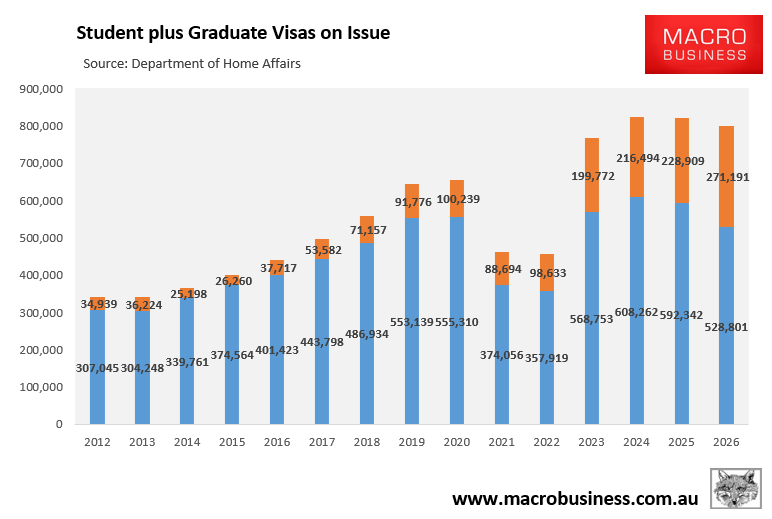
Therefore, there is the opportunity to trim this number by at least 100,000 by simply tightening the rules allowing undergraduates and graduates to bring family members.
I discussed this issue earlier in the week with Ben Fordham on Radio 2GB:
