
Data centres decimate renewable energy targets
Victoria has legislated a target to source 95% of its electricity from renewable energy by 2035. This is one of the most ambitious renewable energy targets in Australia and globally, designed to accelerate the state’s transition away from cheap brown coal towards cleaner energy sources, such as wind, solar, and storage.
The target is embedded in the Renewable Energy (Jobs and Investment) Act 2017 (Vic), giving it legal force. The following timelines have been set to reach the 95% renewable energy target:
- 25% renewables by 2020
- 40% by 2025
- 65% by 2030
- 95% by 2035
The target coincides with the planned closure of the Yallourn coal plant in mid-2028 and the Loy Yang A coal power station in 2035, a decade earlier than originally scheduled.
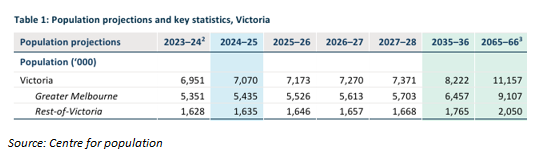
Victoria’s renewable energy target was always delusional, given the state’s population is forecast to expand by around 1.1 million people by 2035 and by around 4 million people by 2066, which will massively increase energy demand:
These millions of extra people will also require Victoria’s water supplies to be augmented by energy-guzzling desalination plants.
The Climate Council contends that there are about 160 data centres currently operating in Australia, with another 90 proposed.
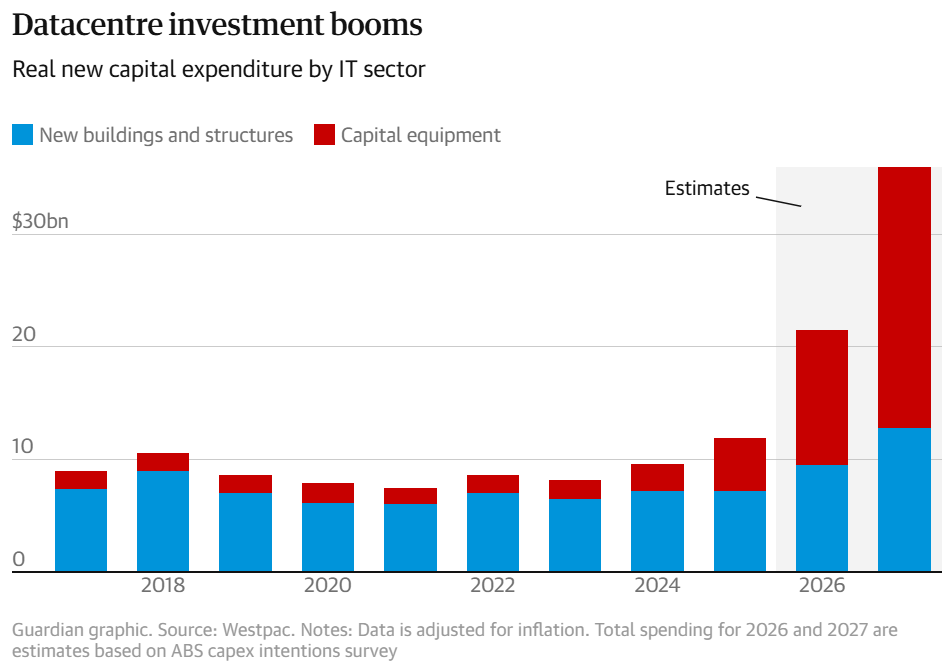
There are questions about how much power and water data centres will consume and how much economic benefit they will generate for Australia.
Alex Hooper, the head of climate and energy economics at Oxford Economics Australia, says data centres are tipped to account for more than 10% of electricity consumption on Australia’s east coast by the mid-2030s. At the same time, the Climate Council estimates that wholesale electricity prices on the east coast could be 20% higher by 2035 if potential extra data centre demand is not offset by additional renewable energy sources.
VicGrid is the state government body tasked with restructuring Victoria’s electricity grid, with its 2027 Victorian Transmission Plan serving as a 25-year blueprint for the grid.
VicGrid is seeking to overhaul its long‑term electricity forecasts to account for an unprecedented boom in energy‑hungry data centres.
Melbourne is becoming Australia’s fastest‑growing digital‑infrastructure hub, and the Allan government is actively courting hyperscale operators to drive economic growth.
But data centres are electricity‑ and water‑intensive, creating major load uncertainty.
Victoria has declared five regional REZs plus a Gippsland offshore wind zone, covering 1.8 million hectares. VicGrid will test whether these zones are sufficient for long‑term needs and whether additional zones or transmission corridors are required.
AEMO currently has 18 GW of Victorian connection requests — double the state’s maximum demand — but many may not proceed.
The reality is that data centres require stable, 24/7 power, which intermittent and weather-dependent sources like wind and solar cannot provide.
As I write this article, there is another winter wind drought in Victoria, and solar is failing to deliver much energy:
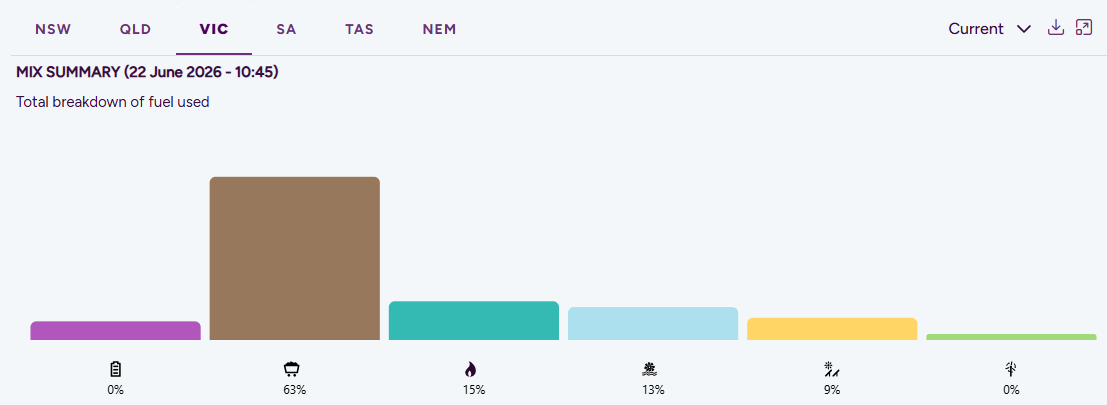
VIC power mix – 22 June 2026 at 10.45 am
By contrast, 63% of Victoria’s electricity is being generated by coal and 15% via gas.
Seriously, how are data centres, let alone the broader economy, supposed to operate when coal exits the grid by 2035? They won’t.
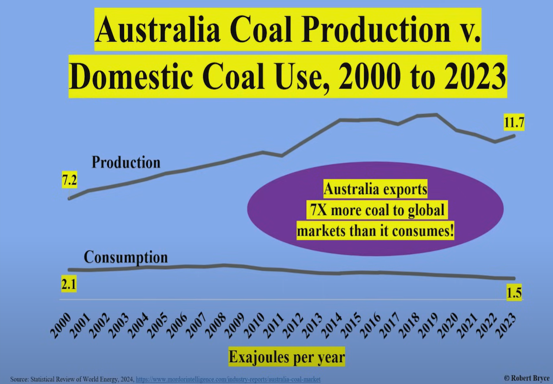
Meanwhile, Asia continues to double down on coal generation using Australia’s coal as fuel:
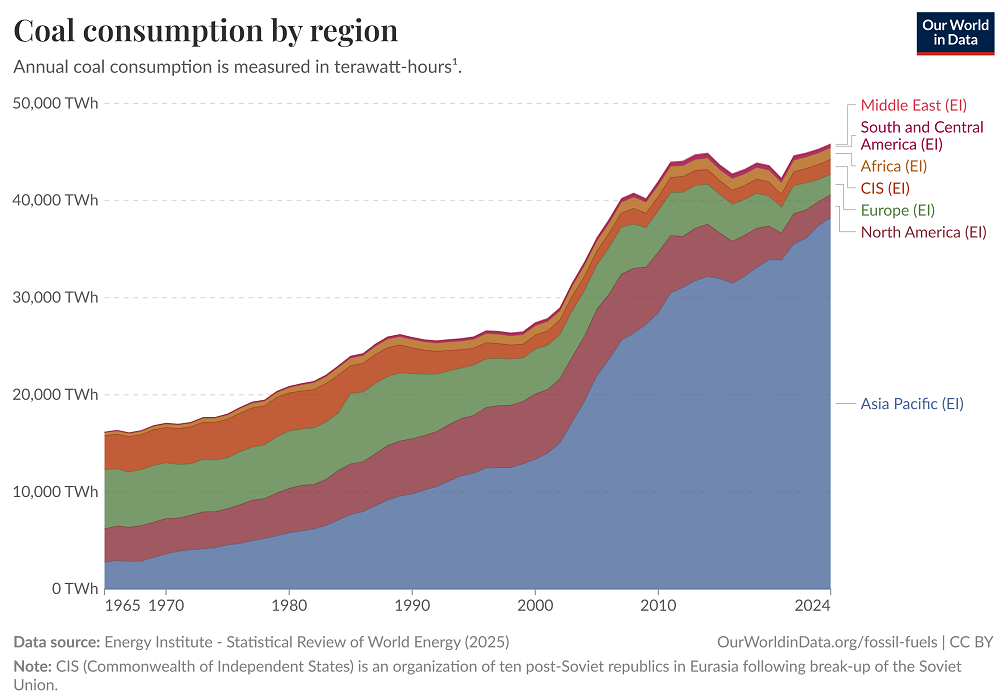
Policymakers are happy for Australia to export our coal to Asia to burn, while denying ourselves its use, as they continue to run a mass immigration policy and encourage the rapid build-out of data centres.
We are not a serious country.
