
Advertisement
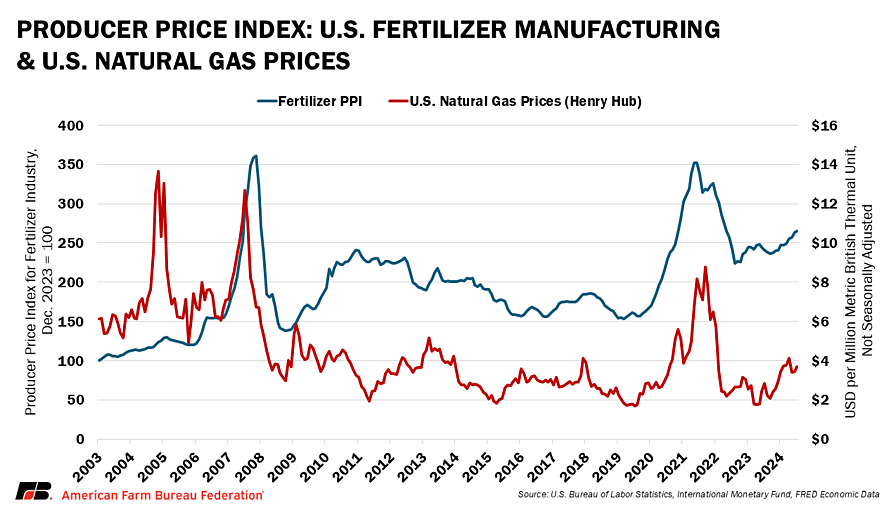
Rising energy costs drive fertiliser prices up because modern fertiliser production is fundamentally an energy-intensive industrial process. The link is direct, mechanical, and unavoidable: energy is both a feedstock and a fuel.
For nitrogen fertilisers (i.e., urea, ammonium nitrate, and ammonia), natural gas is the single biggest input cost, used as a feedstock in the Haber–Bosch process to make ammonia and as a fuel to run high‑temperature, high‑pressure reactors.
When gas prices spike, ammonia prices spike, and the entire nitrogen fertiliser chain becomes more expensive.
Advertisement
The full text of this article is available to MacroBusiness subscribers
Cancel at any time through our billing provider, Stripe
About the author

Leith van Onselen is Chief Economist at the MB Fund and MB Super. He is also a co-founder of MacroBusiness.
Leith has previously worked at the Australian Treasury, Victorian Treasury and Goldman Sachs.