
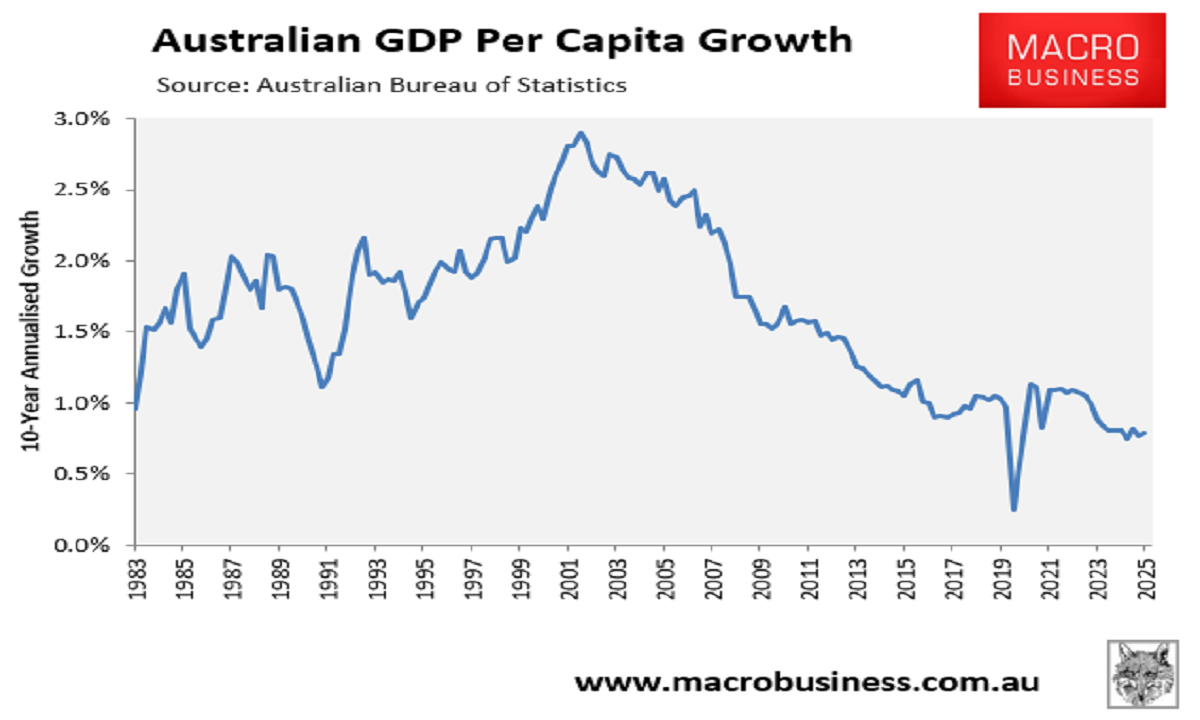
Australia’s real per capita GDP growth has been in structural decline over the past 25 years.
As illustrated below, 10-year annualised GDP per capita growth has fallen to its lowest level in recorded history (outside of the pandemic lockdown), growing by an anaemic 0.8% in 2025:
The most recent national accounts release from the Australian Bureau of Statistics (ABS) reported that real per capita GDP rebounded by 0.4% in the December quarter of 2025 and rose by 1.0% through the year:
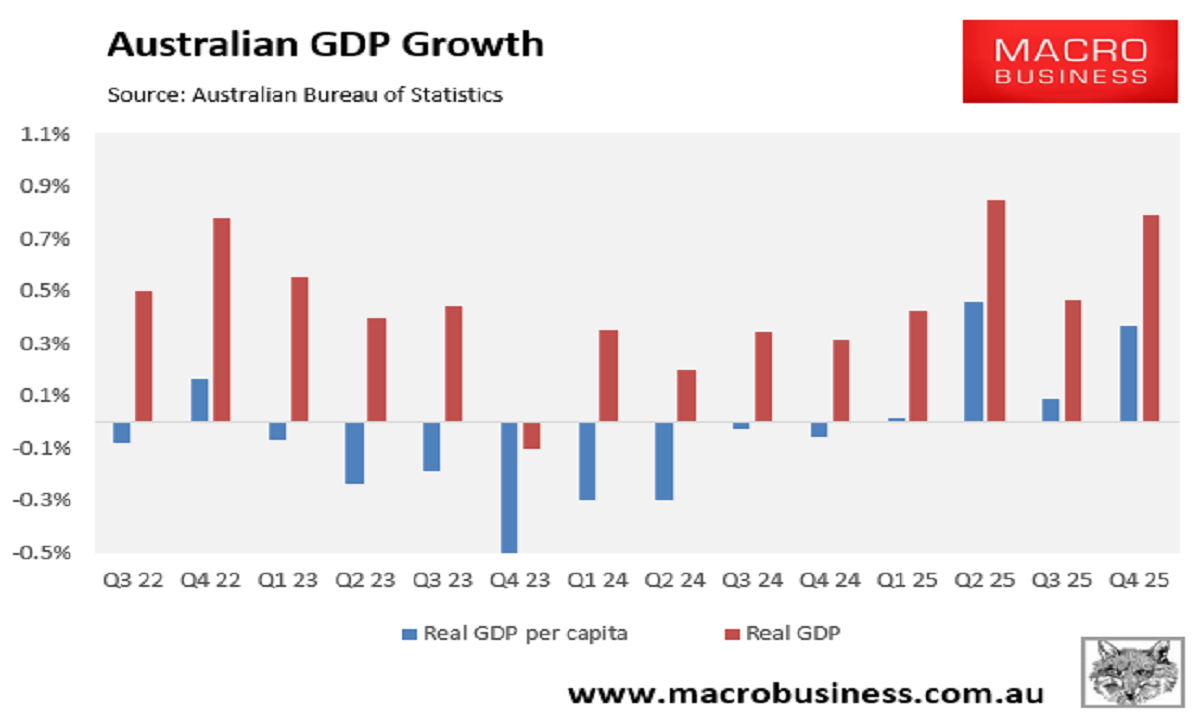
However, real per capita GDP was tracking 0.5% below the June quarter of 2022.
The war in the Middle East is very likely to slow economic growth, resulting in Australia falling back into a per capita recession.
Adelaide Timbrell, a senior economist at ANZ, forecasts that higher oil prices and rising interest rates will cause Australia’s GDP growth rate to slow to 1.3% in 2026, 0.5% lower than ANZ anticipated in February and barely half last year’s pace.
The drag will linger into 2027, with ANZ anticipating growth of only 1.8%.
ANZ now expects CPI to hit 4.9% by June, compared with a previous forecast of 3.8%, and to end the year at 4.5%. ANZ’s forecast assumes that energy prices ease later in 2026 and – crucially – that Australia avoids fuel rationing or supply disruptions.
That’s a heroic assumption given the nation’s threadbare fuel reserves and looming shortfalls.
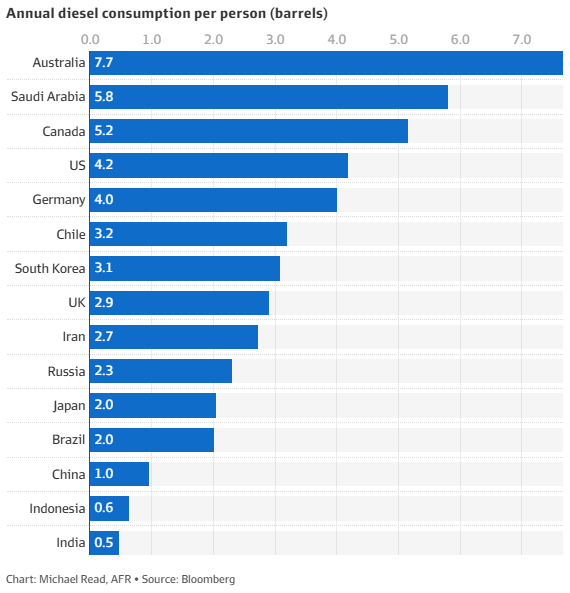
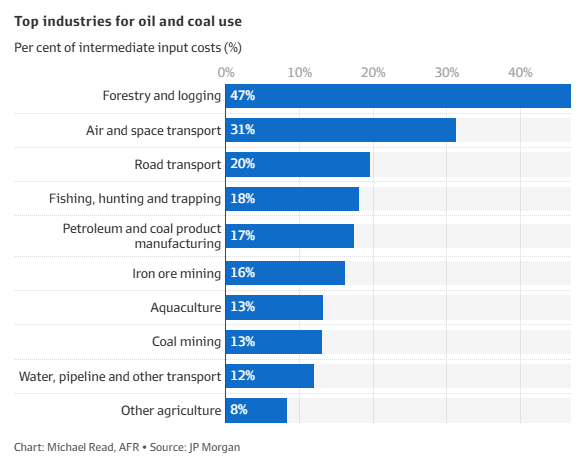
Regardless, the global energy shock is now the dominant macroeconomic force. Australia’s economy is highly vulnerable to chronic fuel insecurity (especially diesel), high household debt, and its dependence on imported energy.
At the same time as ANZ forecasts that Australia’s GDP growth will slow to just 1.3% in 2026, Treasurer Jim Chalmers confirmed this month that net overseas migration would be higher than forecast in last year’s budget, with more than 300,000 net migrants expected to land in 2025–26, above the previous forecast of 260,000.
As a result, Australia’s population will likely grow by around 1.5% in 2026, meaning residents will slide back into a per-capita recession.
The pending spike in CPI inflation to around 5% also means that the outlook for real wages has materially worsened.
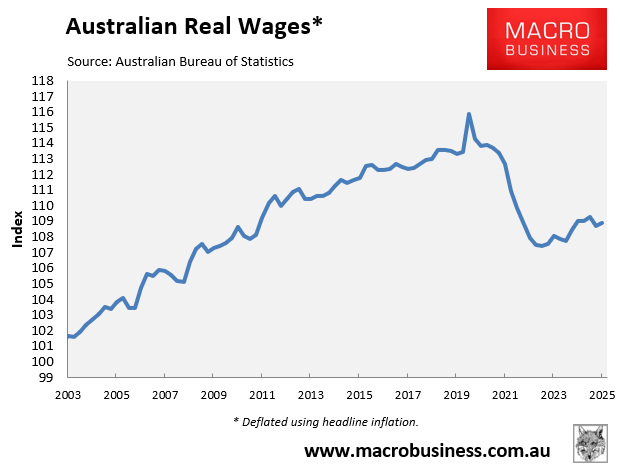
Unfortunately, the COVID-19 pandemic and its aftermath, followed by the war in the Middle East, are shaping up as a ‘lost decade’ for Australia’s economy and living standards.
