
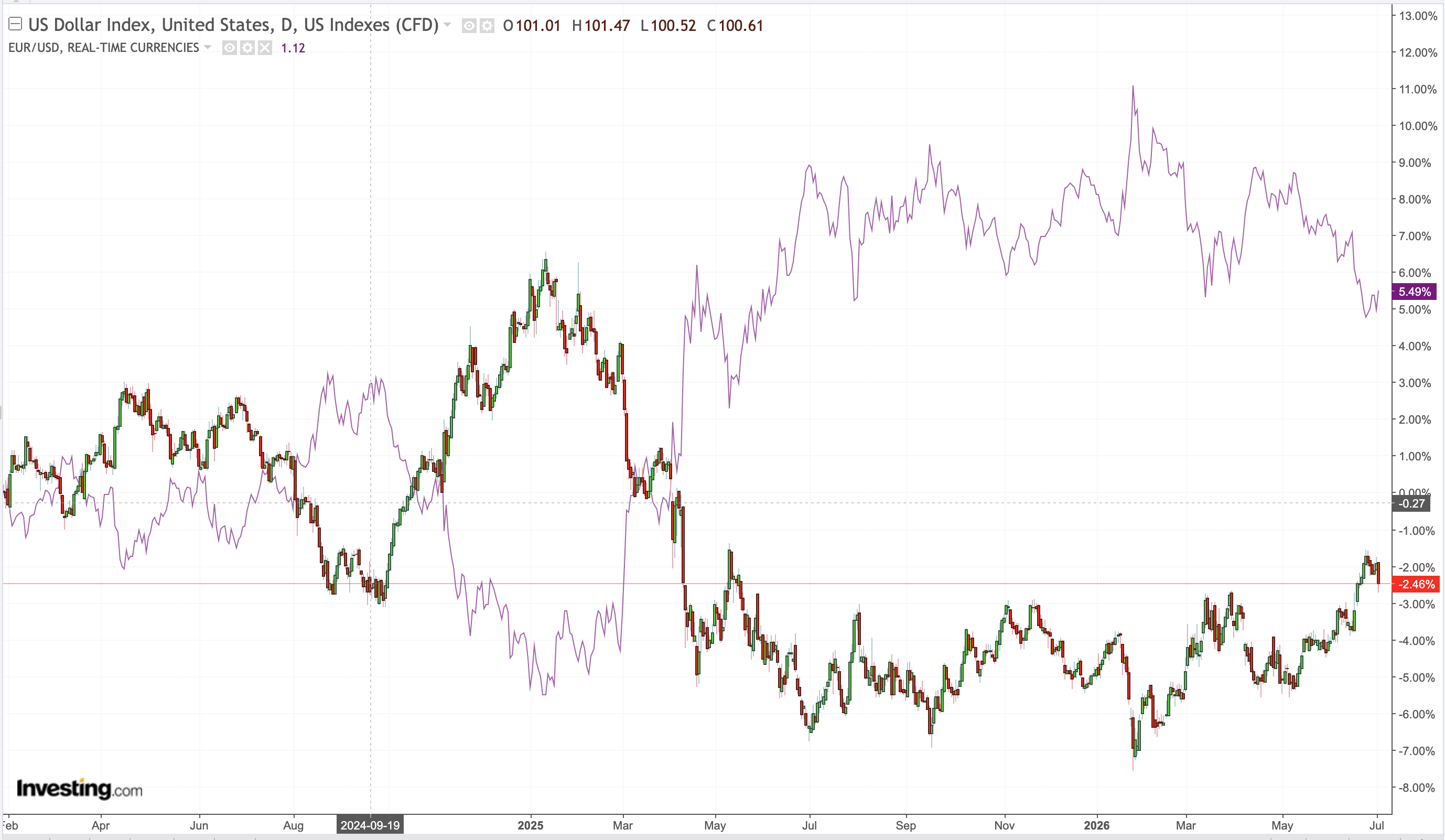
DXY is holding resistance turned support.
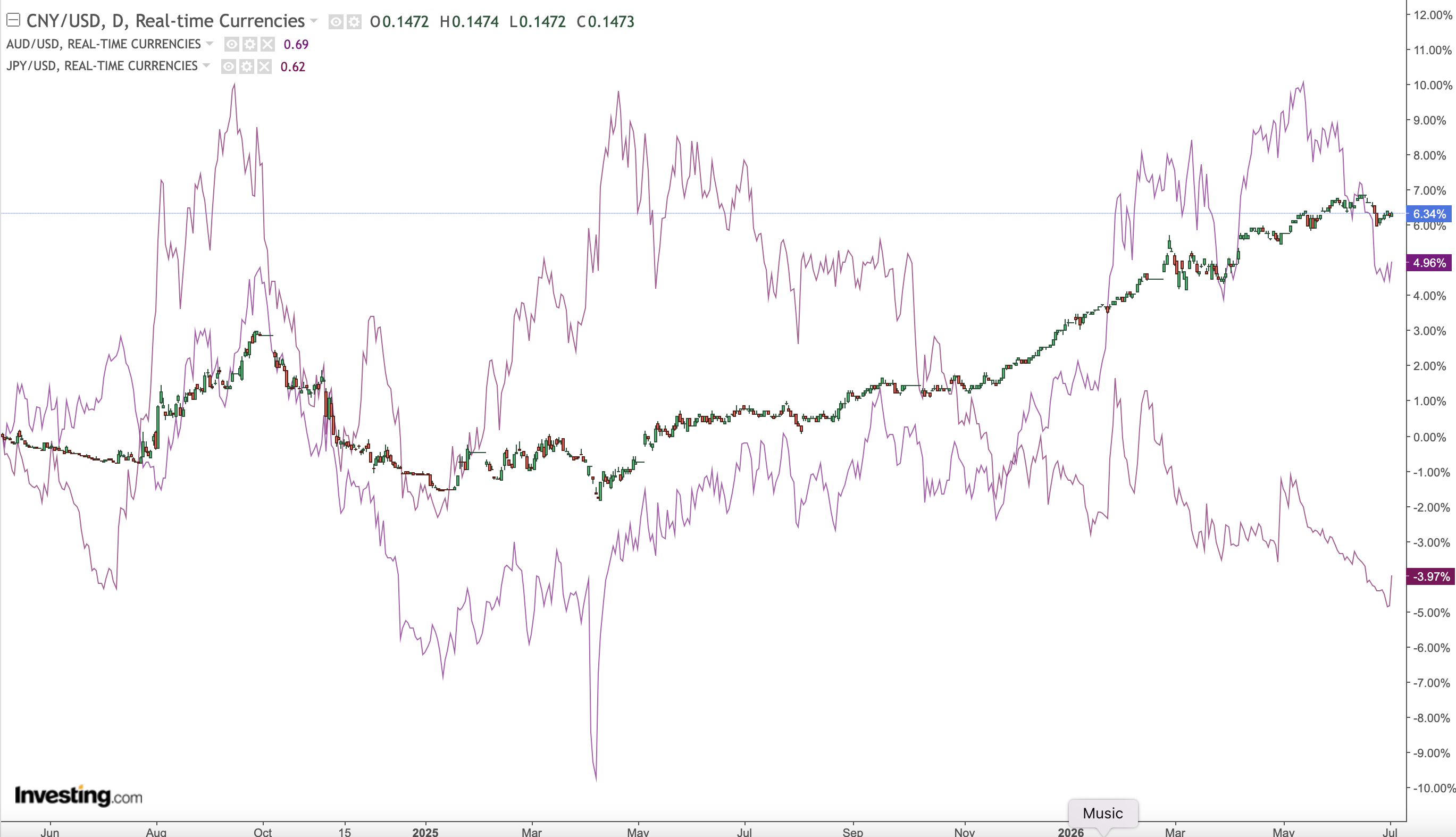
AUD was aided by JPY intervention.
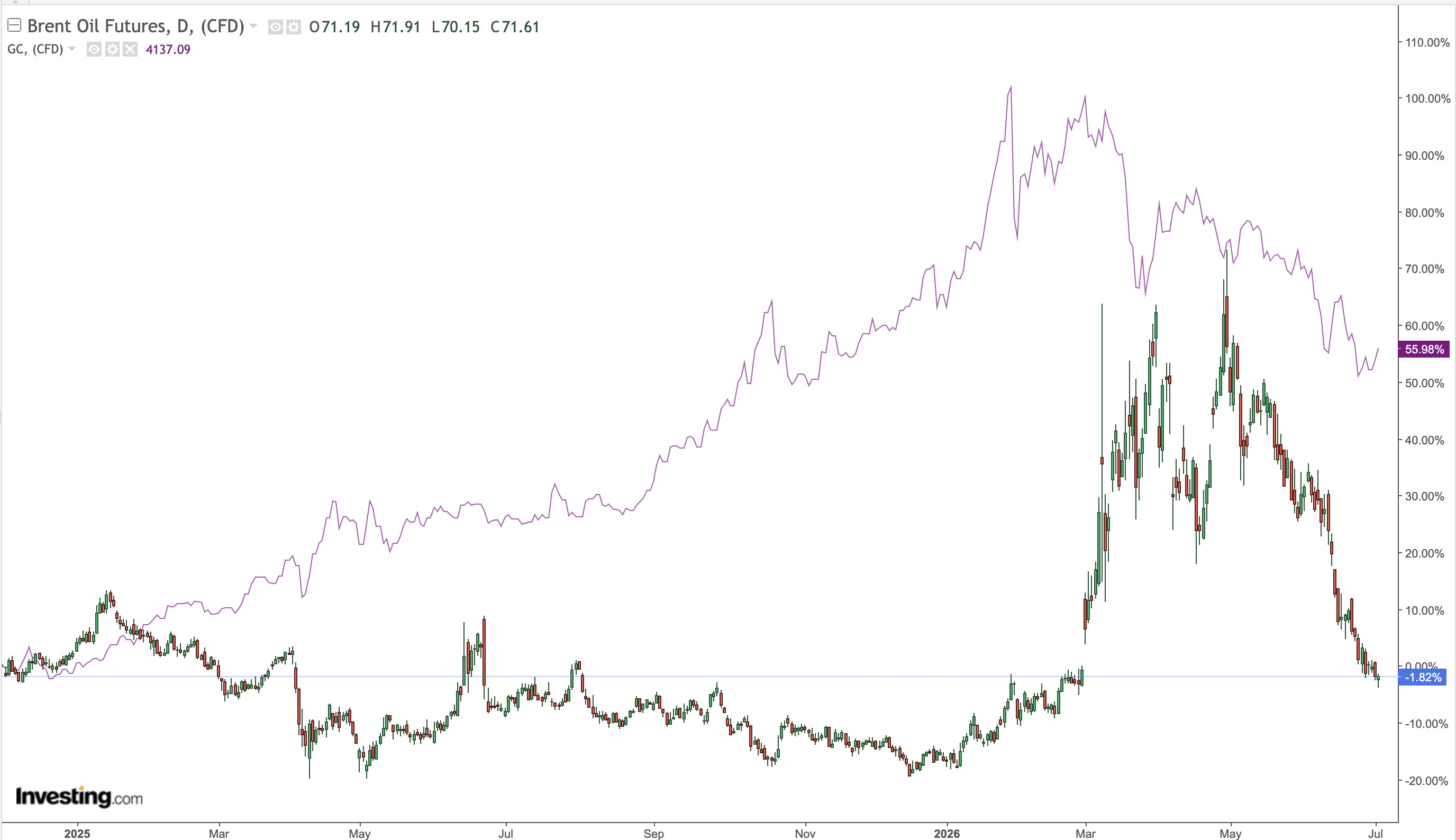
Oil and gold parted ways, suggesting the Warsh test is peaking.
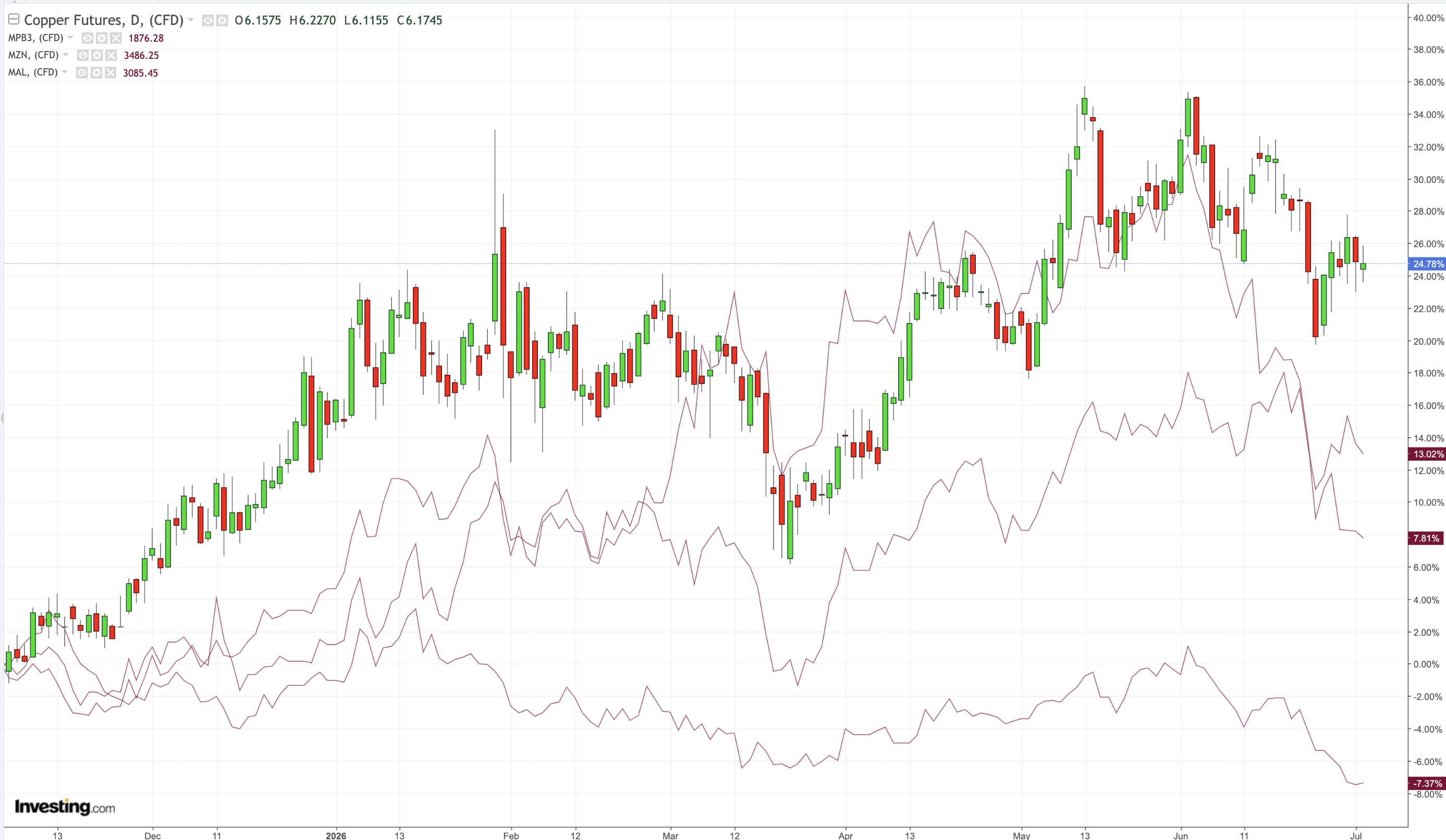
Base metals are oscillating.
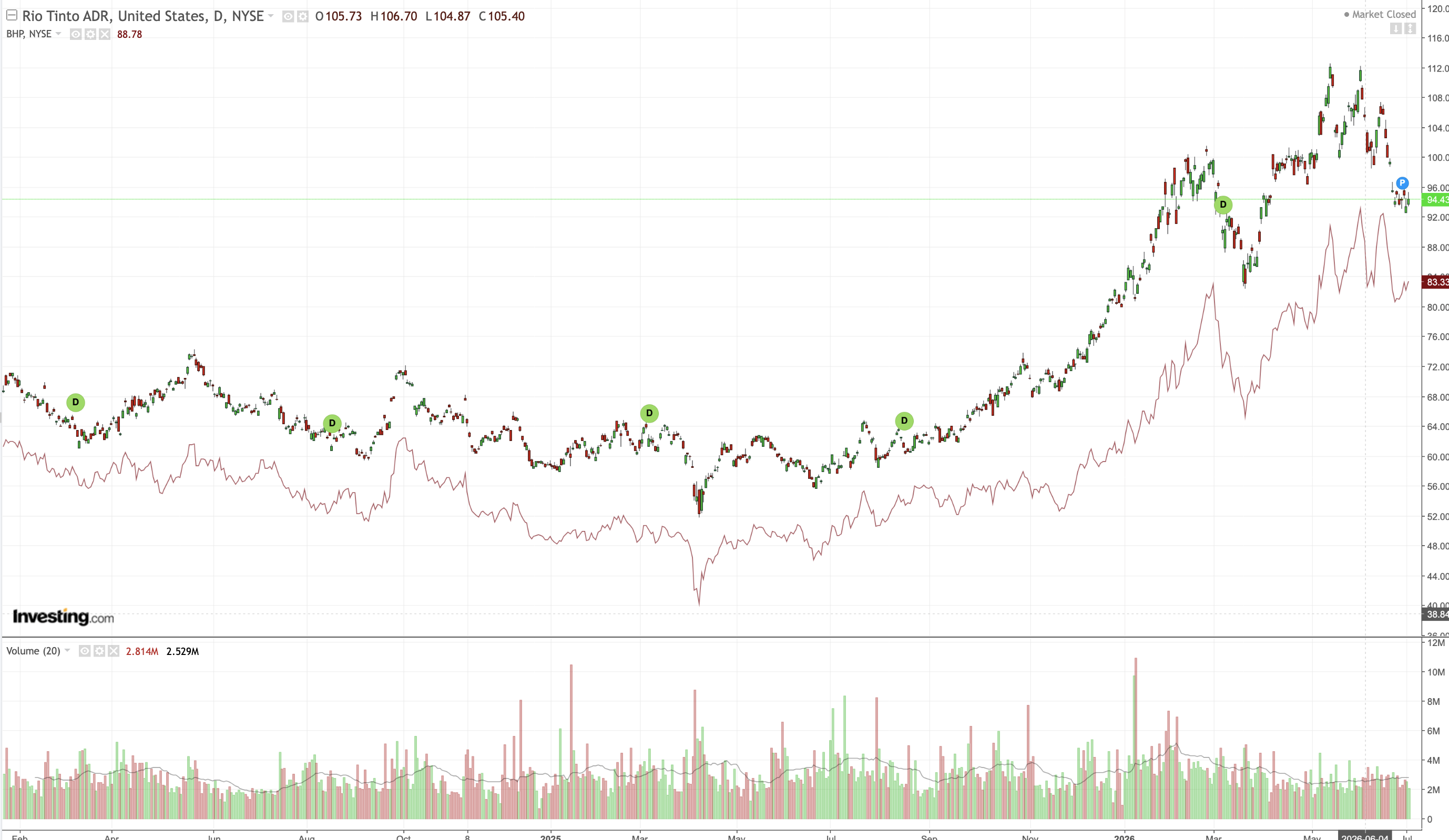
Mining charts remain hideous
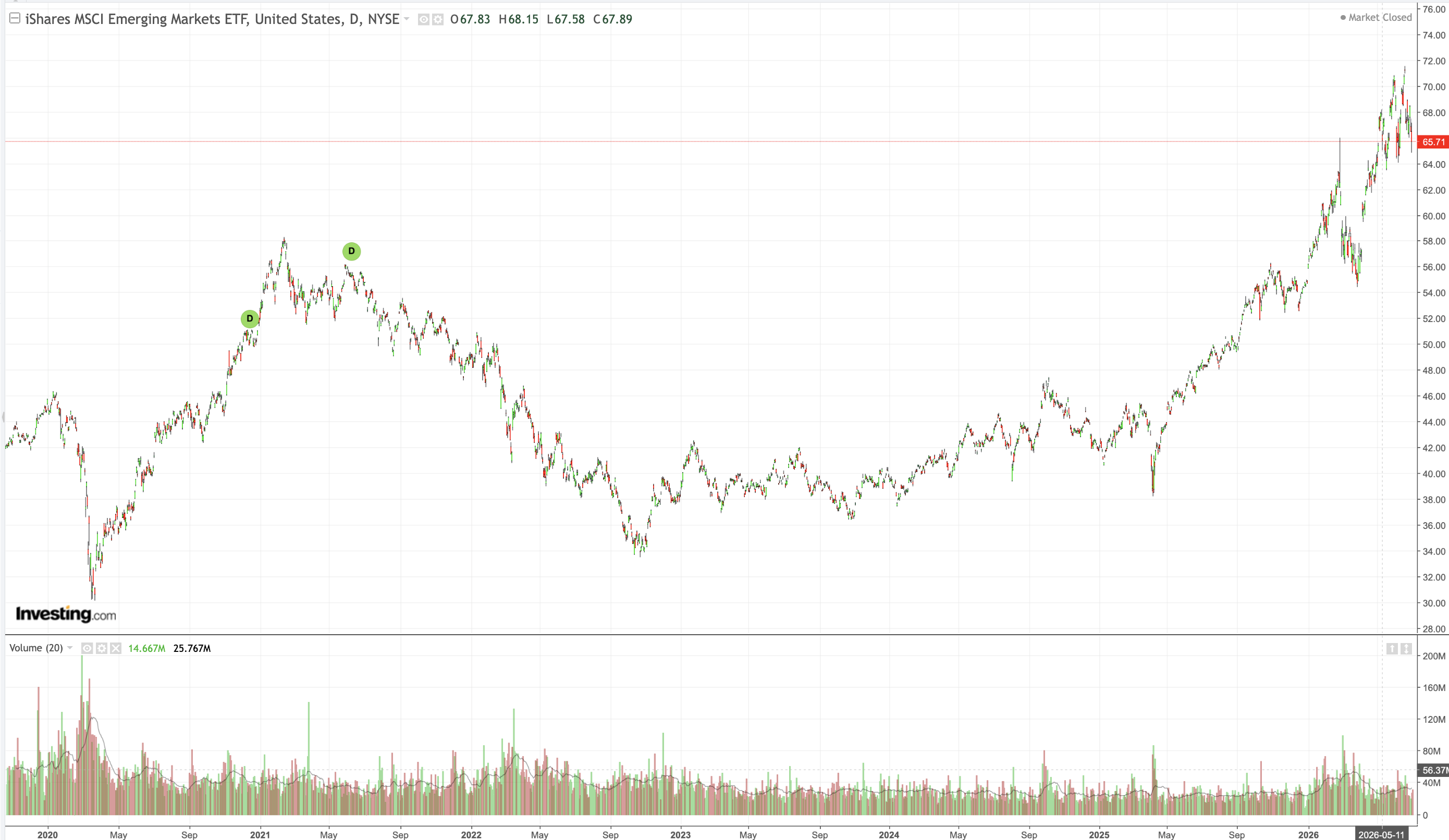
EM stocks are hanging in, casting doubt over the DXY rally.
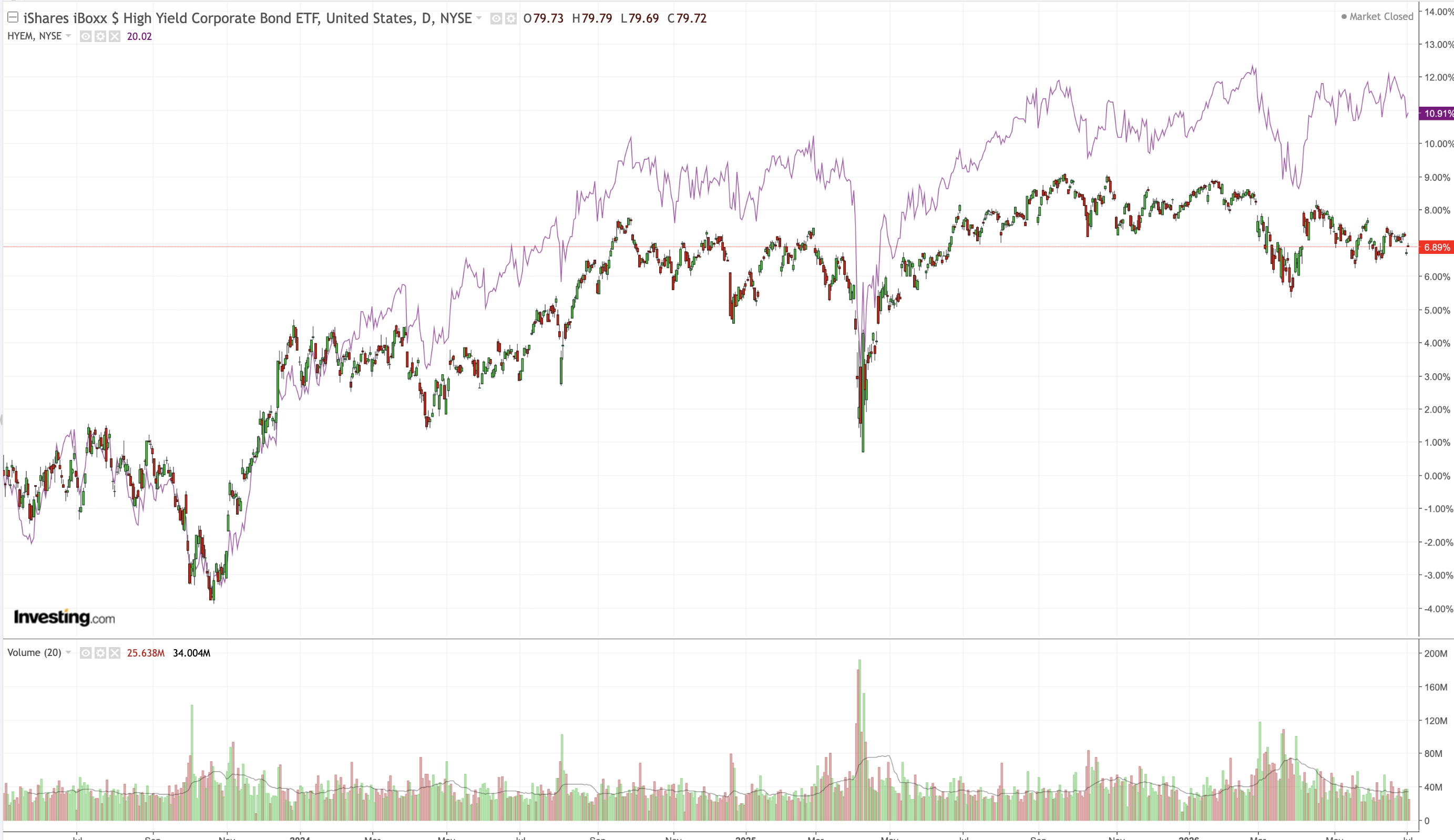
Junk is serene.
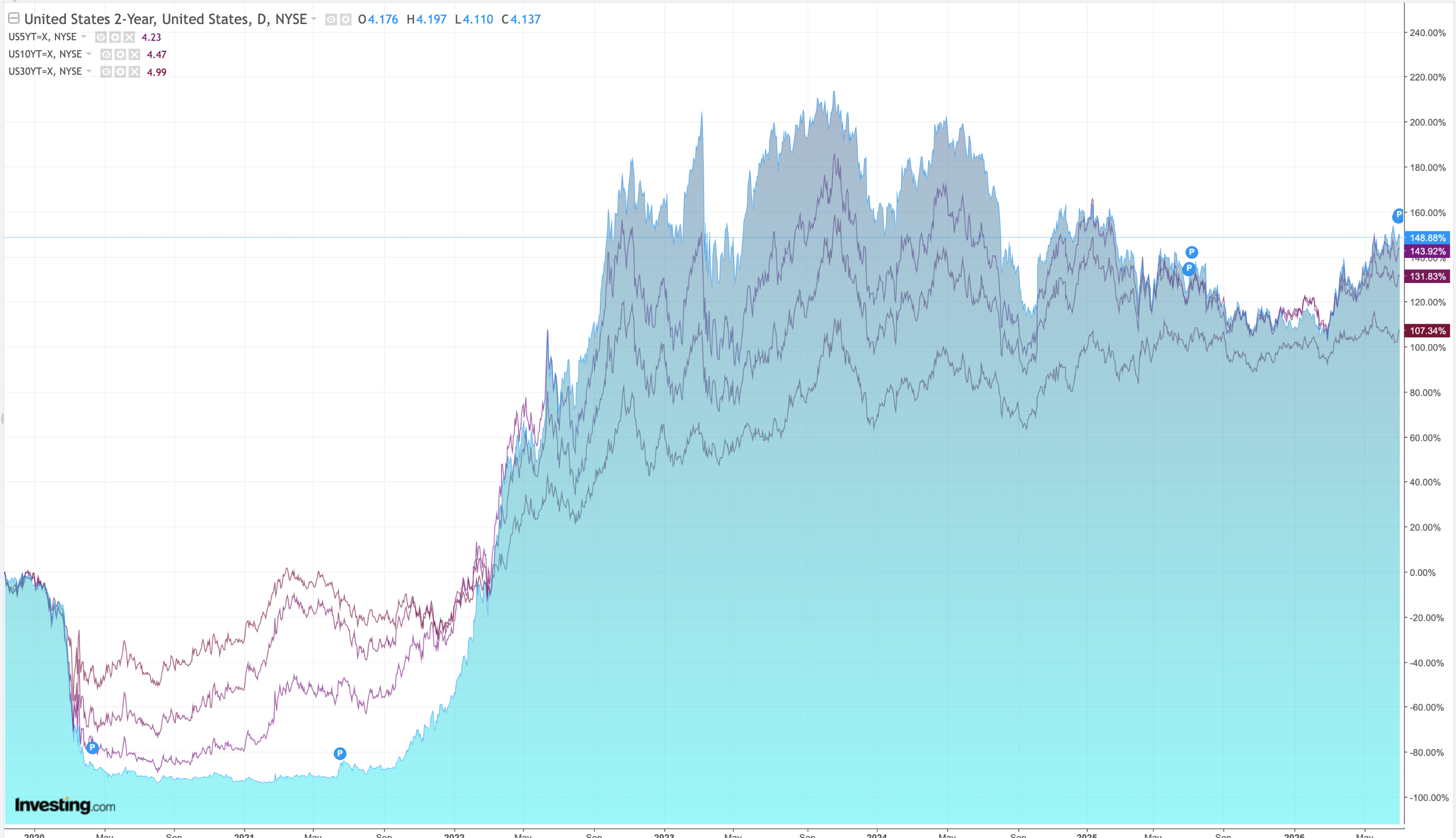
The Treasury curve is still bear flattening as the Warsh test continues.
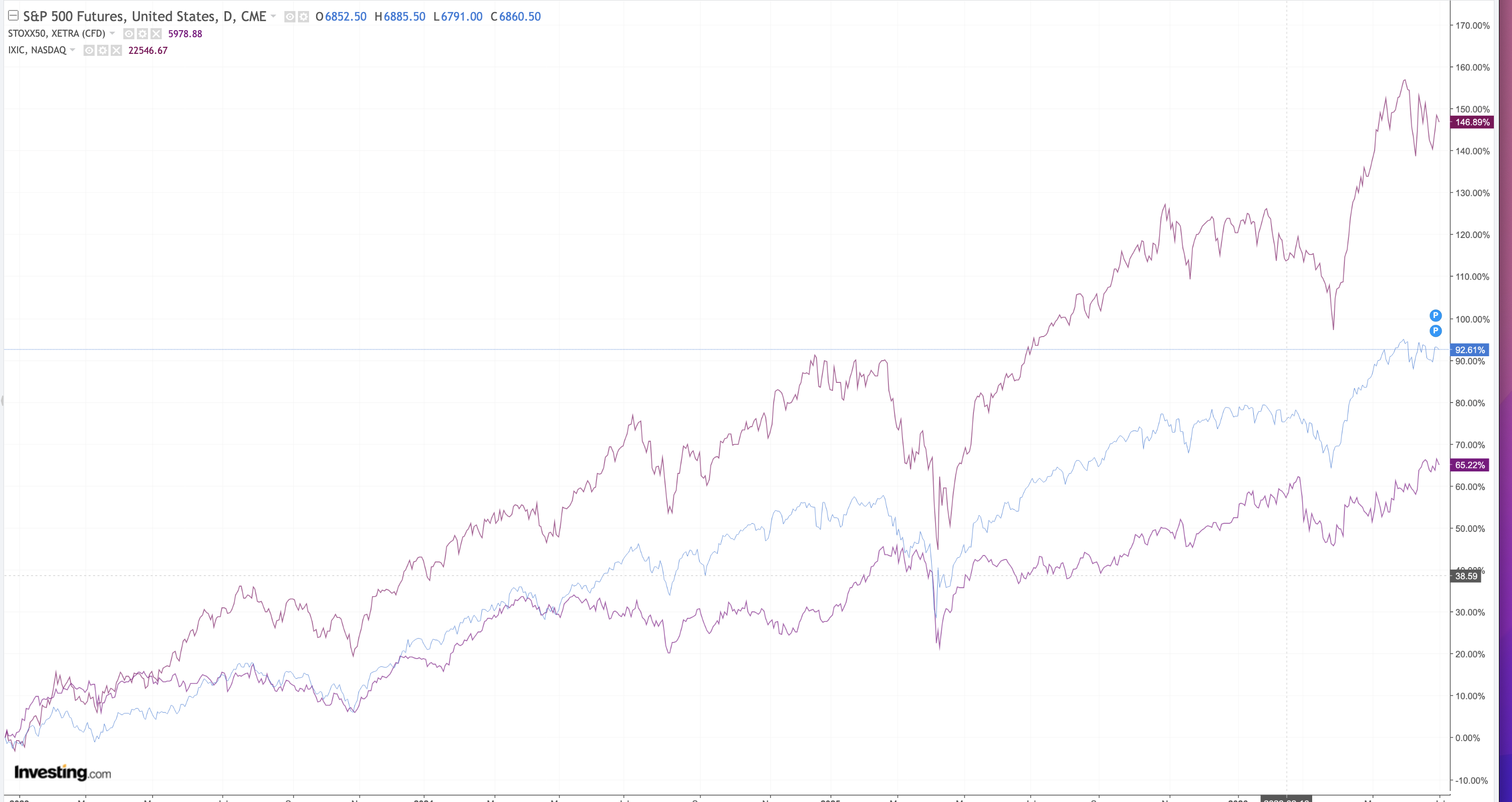
Stocks don’t like it.
Part of the Warsh test is the ongoing weakness in the JPY. More and more support efforts are underway.
Japanese officials are abandoning their habit of telegraphing intervention risks, instead signalling a more targeted campaign to squeeze speculators and raise the cost of betting against the battered yen, two sources familiar with the matter said.
Departing from the calibrated jawboning that preceded previous bouts of intervention, the Ministry of Finance (MOF) could step in abruptly to wipe out speculative yen positions, the sources said. Officials are also avoiding any suggestion of a specific “line in the sand” exchange-rate level that would trigger action.
As I have described before, the BOJ is juggling a slow-motion crisis as it manages capital outflow, rising rates and doubts about government solvency and a falling currency.
Oil price relief will help , but the ongoing trends suggest a powerful structural pull on the JPY.
I am not sure that markets have within them the power to break the BOJ and MOF without oil. But the inventions are going to continue. Expect AUD to pop whenever they do. come.
Suddenly, US jobs don’t look so hot, either. Nonfarm payrolls +57k (vs +113k forecast), driven by 720k labor force drop (25-34 age group participation -1.6pp), signaling structural labor market risk beyond cyclical weakness.
In June, average hourly earnings for all employees on private nonfarm payrolls rose by 13 cents, or 0.3 percent, to $37.64. Over the year, average hourly earnings have increased by 3.5percent. In June, average hourly earnings of private-sector production and nonsupervisory employees rose by 7 cents, or 0.2 percent, to $32.38.
This looks like AI sog to me. If it continues, the Warsh test is going to reverse fsst and AUD rise again.
