
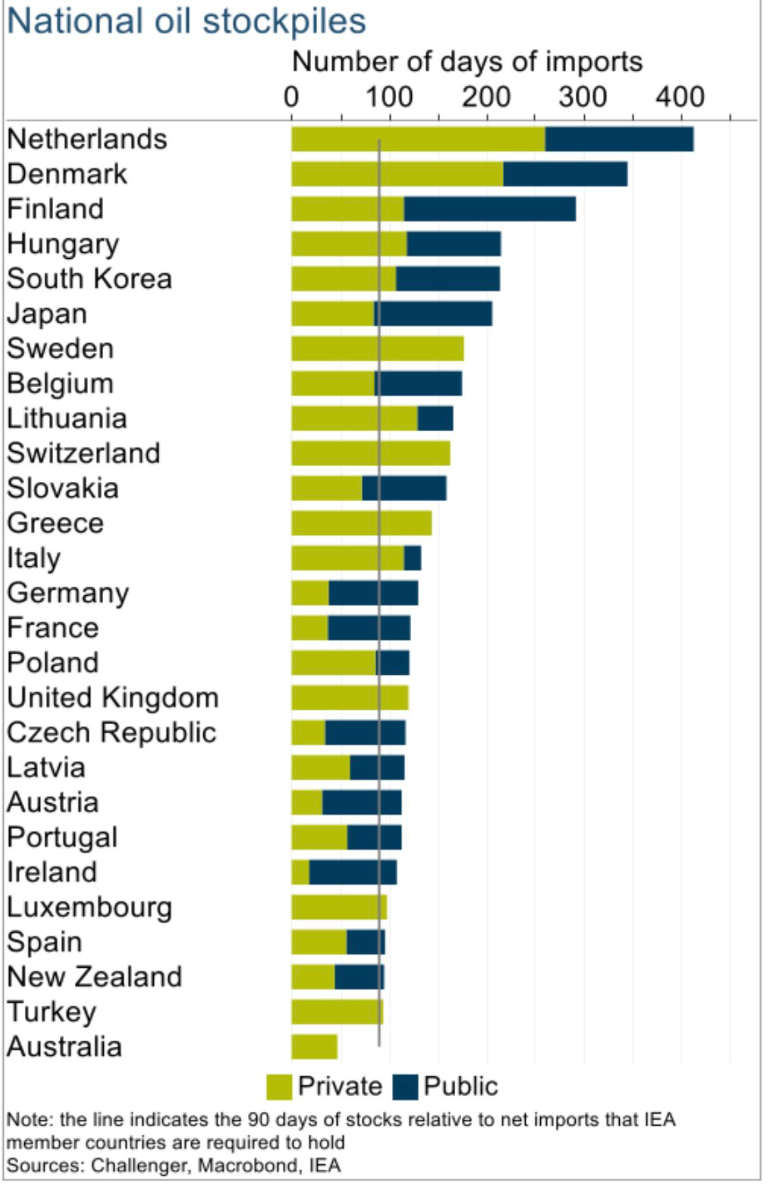
In the months leading up to the 2019 election, then Opposition Leader Bill Shorten pledged to dramatically expand the nation’s fuel reserves to at least meet the International Energy Agency (IEA) requirement to hold 90 days’ worth of supply.
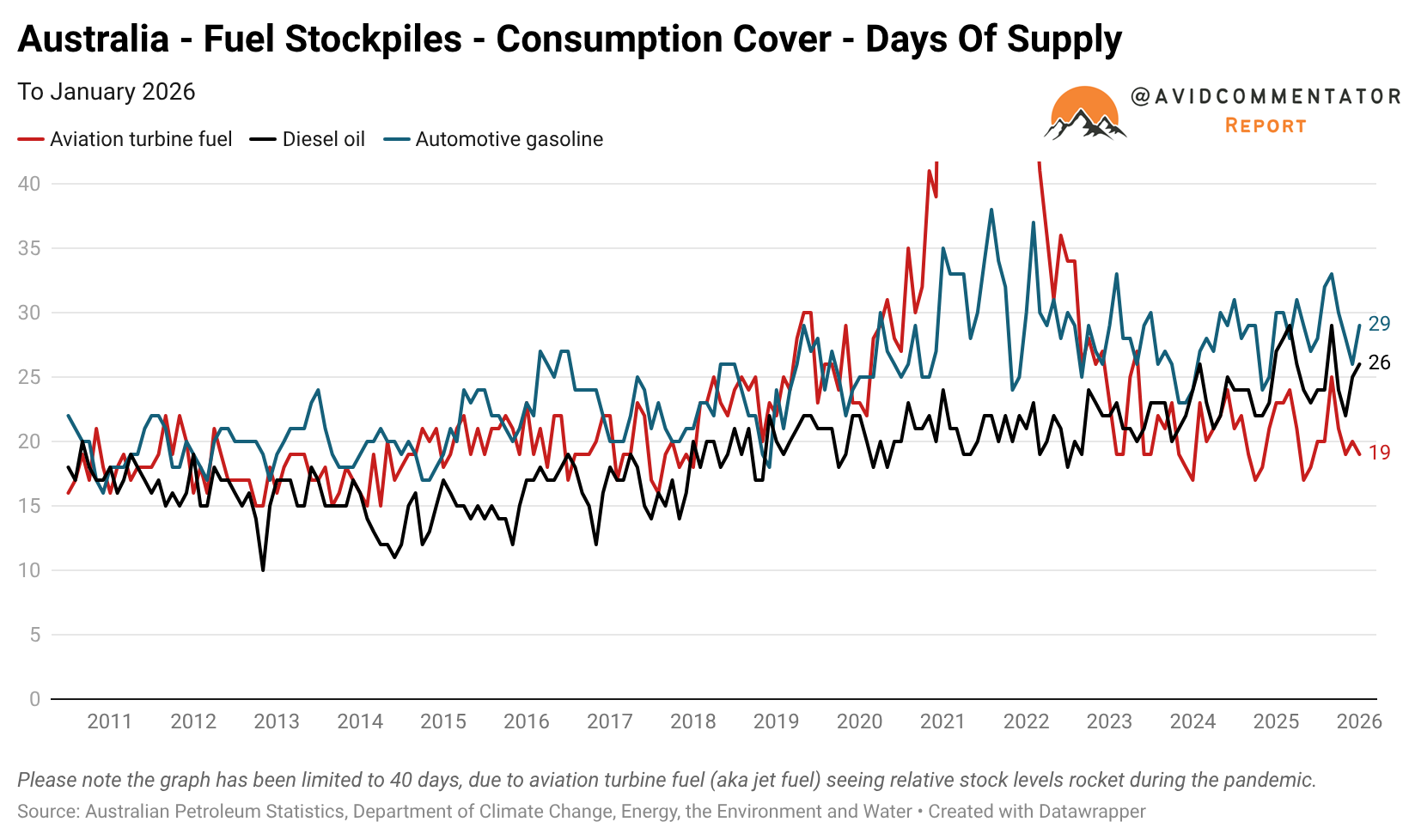
As part of his push, he cited data from the Department of Environment and Energy, which estimated that, at the time, Australia had 19 days’ worth of petrol, 23 days’ worth of jet fuel, and 22 days’ worth of diesel.
As the chart below from the latest Department of Climate Change, Energy, the Environment and Water illustrates, we are not dramatically removed from the levels Shorten raised with such alarm a little over 7 years ago.
As part of Shorten’s plan, Australia would build “tank farms” to store the additional fuel and cautioned that while energy security was not a vote-winning issue, it was important to national security.
“What is the point of having the world’s best war-fighting technology if we can’t actually fly or sail or be driven because we have no fuel?
“When you see the stresses from end to end in the world at the moment, there’s never been a more important time to start addressing national fuel security.” Shorten said.
Then Coalition Energy Minister and now Opposition Leader Angus Taylor were dismissive of the idea, stating that it could cost “tens of billions of dollars.”
“Will it be a tax on all of us through the tax system, or will they slug us at the fuel bowser?”
“We are not going to increase the price of fuel at the bowser when it seems clear Labor wants to do that one way or another”, Taylor said.
This commentary came despite former 40-year army veteran and major general, then senator, Jim Molan of the Coalition, warning that Australia’s fuel security was a badly neglected issue.
Shorten’s plans for crisis preparation went a step further, with a blueprint for a strategic fleet of government-owned, commercially operated merchant ships that could secure vital supplies if their services were required.
The Takeaway
Today, having 90+ days of fuel and oil reserves on hand would transform Australia’s outlook.
It would offer the Australian people the security that even if only the refined products coming from our major suppliers that were derived from oil, not from the Persian Gulf, we would still have enough supplies for months, even without securing additional cargoes.
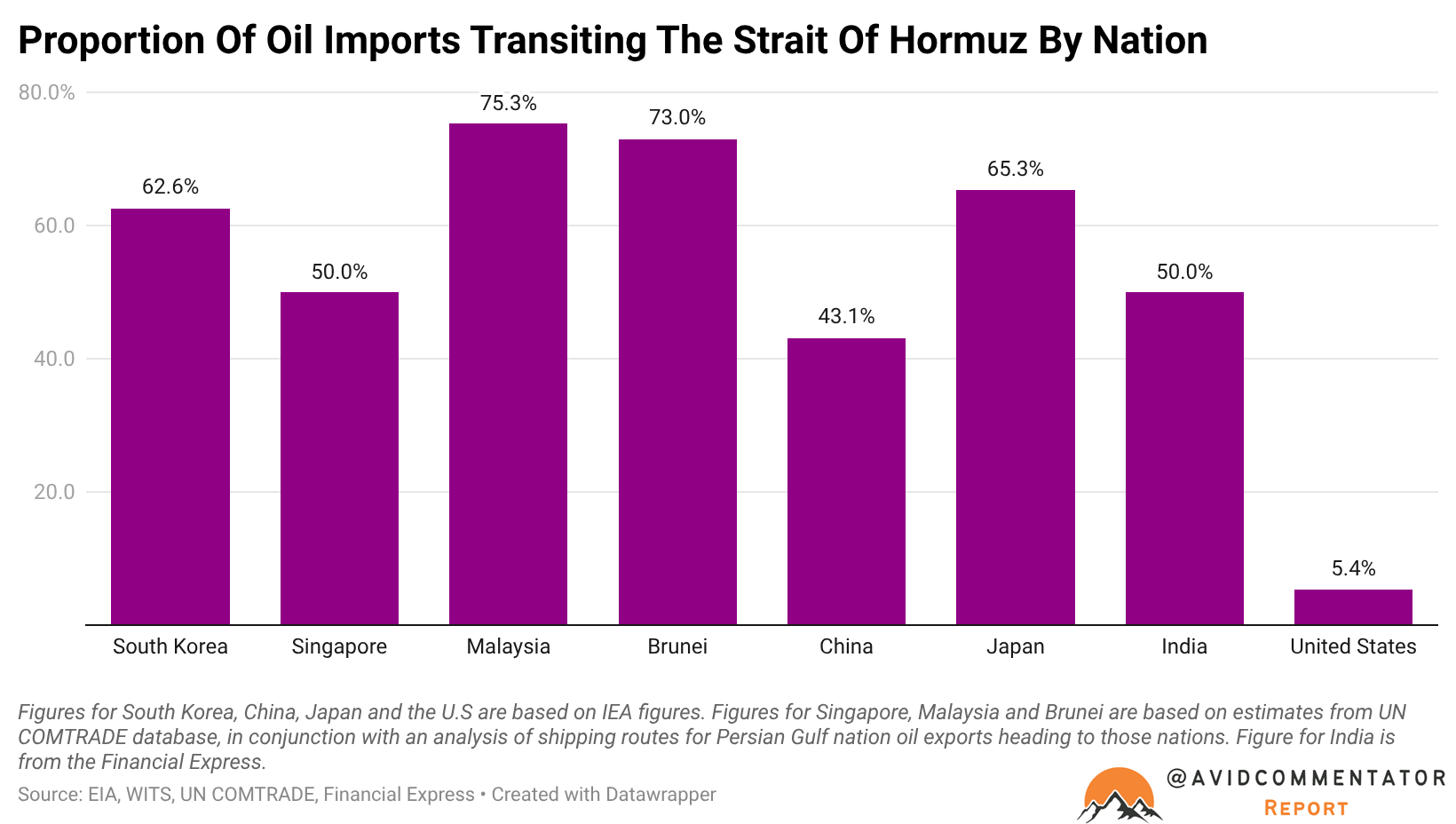
Given Australia’s uniquely paltry fuel and oil reserves, the time to act on this issue was in the immediate aftermath of the closure of the Strait of Hormuz.
Buying up petrol, diesel and jet fuel cargoes on the spot market before the dust began to settle somewhat.
While this is arguably the antithesis of modern Australian policymaking, that is the sort of action Australia’s uniquely challenging fuel reserves demand.
There is no real hope in simply waiting and seeing what happens and hoping for the best, because, by then, it may be too late to really get ahead.
Now the nation is facing down the possibility of fuel rationing, and the recession that is almost certain to accompany it should rationing come to pass.
