
As the war in the Middle East and throttling of maritime trade through the Strait of Hormuz continue, each passing day brings more news of nations seeking to secure their own domestic energy and food security.
Looking back through the tumultuous centuries of human history, this is nothing new, with the crisis of the 14th century proving to be a strong illustration of how nations cope in times of broad-based scarcity.
For those who are not familiar with it, it was a time often defined by trade barriers, export bans on food, social unrest, and some of the most bitterly fought conflicts of the Middle Ages in Europe.
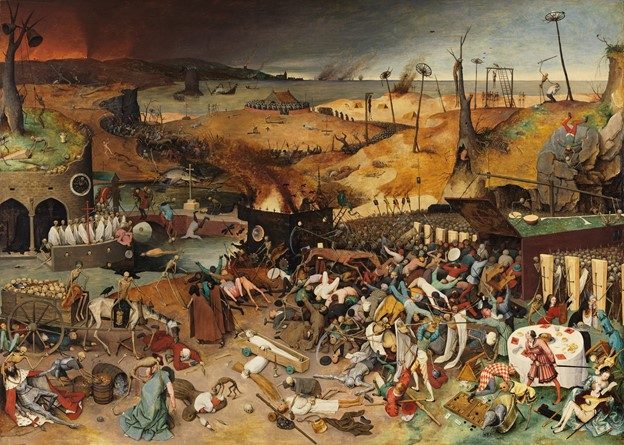
Issues with food exports were not just defined by international trade, with regional issues emerging as parts of France in particular looked to ensure their own food security first before even considering what was normal trade with the other parts of the kingdom.
Back in the present, Japan’s trade minister recently announced that Japan would be providing domestic refineries with crude from reserves, but signalled that Japan was not currently planning to provide supplies to other Asian nations seeking assistance from its reserve stock.
“Japan’s trade minister said the country will sell oil from its reserves to domestic refiners as a general rule, signaling that the government isn’t currently planning to channel national supplies directly to other Asian nations seeking assistance.”
Meanwhile, The Korean Economic Daily (KED) is reporting that airports in Japan, Vietnam and the Philippines have curbed supplies of jet fuel to South Korean airlines.
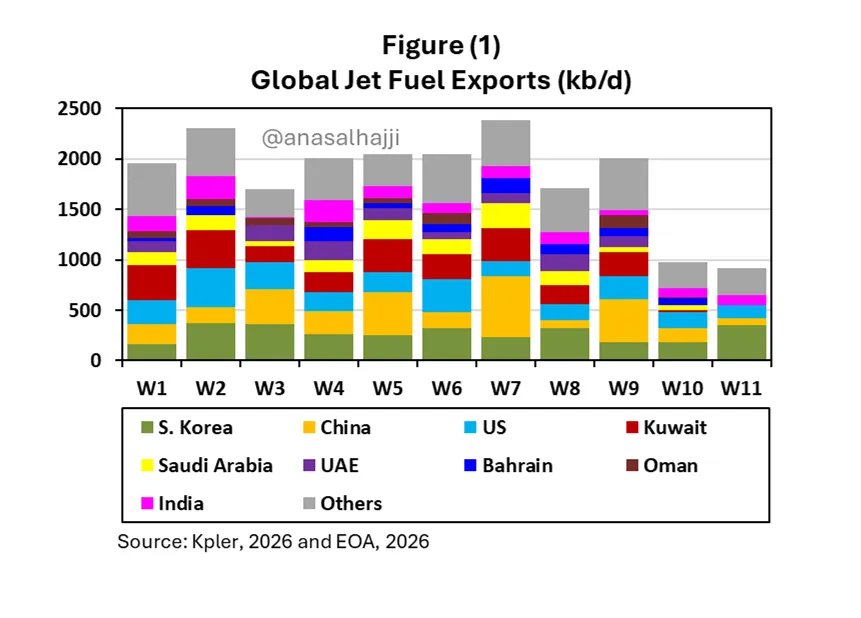
With global jet fuel exports in freefall as supplies from Saudi Arabia, UAE, Bahrain and Kuwait are reduced to just a trickle, and other nations such as China have placed bans on exports, it’s unsurprising that an increasingly every man for himself situation is emerging.
Energy sector expert Anas Alhajji, using data from Kpler and EOA, found that total global jet fuel exports plummeted in early March and continue to decline.
This trend is yet to further intensify, with India placing a tax on exports of diesel at 21.5 rupees per litre and a tax on jet fuel of 29.5 rupees per litre.
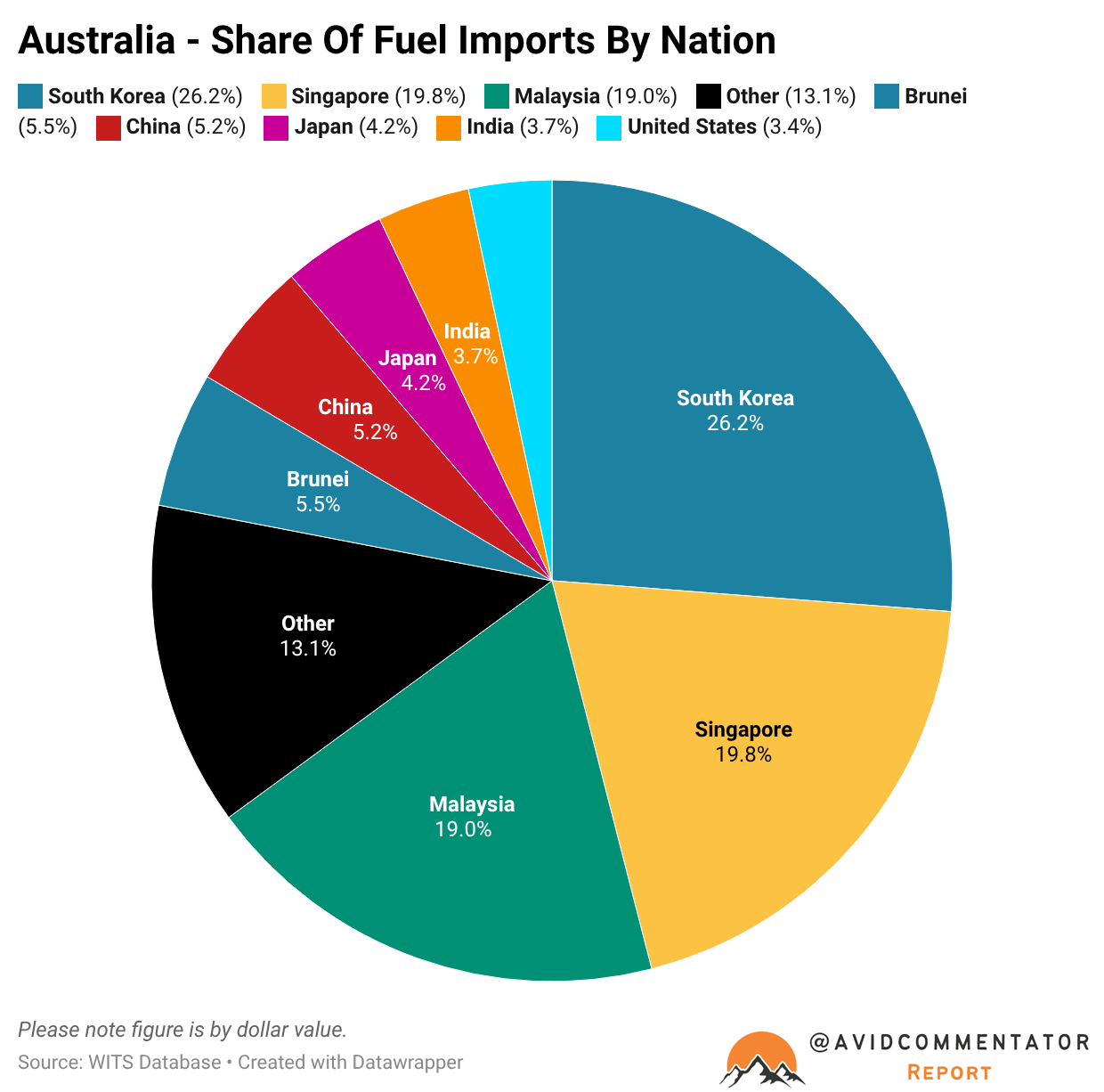
While not a major supplier of Australian fuel imports, India is part of the mix, holding 3.7% of total imports.
In a way, for Australia, this is in a strange sense good news.
With the Albanese government set to use government dollars to chase fuel cargos to secure the nation’s energy needs, more or less regardless of cost, the likelihood of Australia continuing to obtain fuel export cargoes from India is significantly higher than most.
Meanwhile, from April 1st, Russia will be banning gasoline exports until at least the 31st of July.
Russian officials emphasised that the move was pursued to ensure supply remains at home during the vital crop planting season and summer driving months, as well as keeping fuel prices lower for domestic consumers.
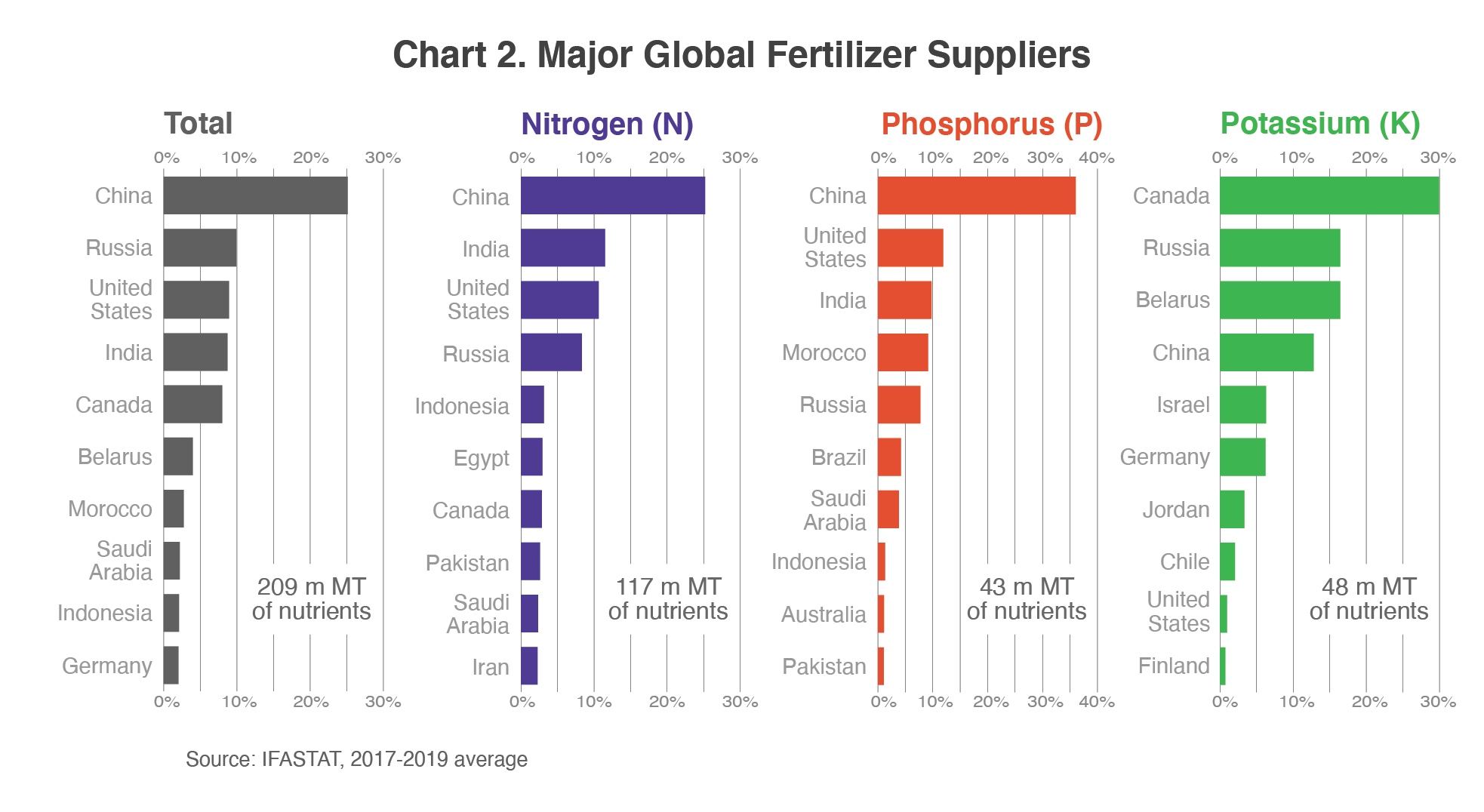
In the world of fertiliser, the news is equally concerning.
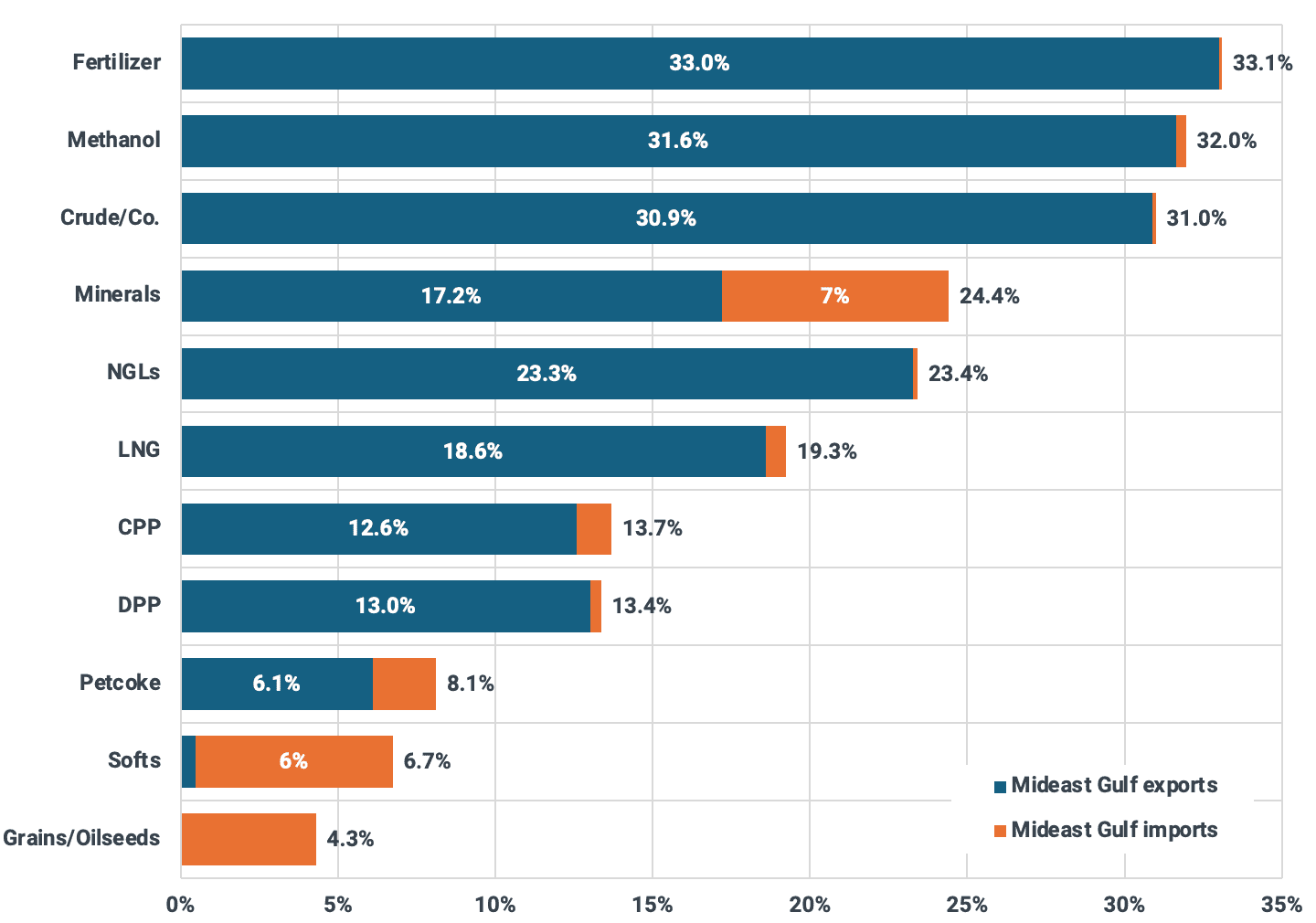
According to an analysis from Kpler, 33.0% of fertiliser supply comes from the Strait of Hormuz, and given the challenge of moving such a bulk commodity by ground transport, a solution to ensure its supply through a port outside of the Persian Gulf has not been pursued on a large scale.
Amidst this challenging environment, China has moved to secure its own domestic fertiliser supply, blocking exports of between 50% and 80% of total previous export volumes depending on the estimate of the impact in question.
Russia has also blocked the export of the vital fertiliser ammonium nitrate, of which it controls roughly 40% of global supply, according to Reuters figures.
The Takeaway
What we have seen so far from nations looking to secure their domestic needs in this supply crisis is the most unsurprising thing in the world.
All of this has happened before and it will happen again.
If the war continues and the current crisis becomes our daily reality for a prolonged period of time, our leaders need to ask themselves and the Australian people what that future is going to look like.
How are we going to go about our daily lives and to what degree will consideration be given to the estimated more than 3 billion people who are the most likely to miss out on fuel and oil altogether as more wealthy nations secure the supplies that are available?
The world is becoming increasingly chaotic, and unfortunately, the basic laws of mathematics dictate that someone must be left out.
I recently sat down with DFA’s Martin North to discuss where Australia gets its fuel and broader fuel security for the nation in the short 9-minute video below:
