

In debates over the appropriate level of migration into various Western nations, there is often a narrative that a significant reduction in the intake would entail major economic costs.
However, a new report by TD Economics Chief Economist Beata Caranci questions the impact of migration cuts on the Canadian economy.
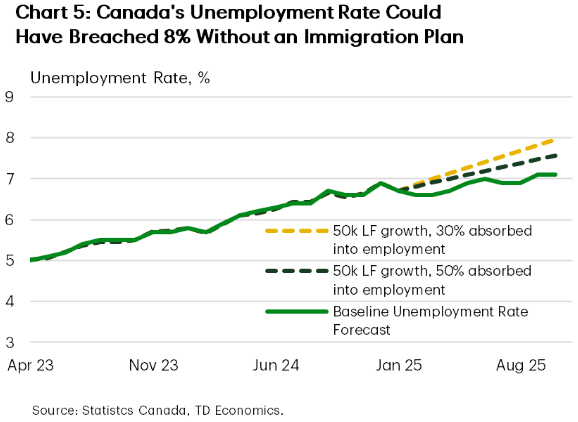
In Canada, the unemployment rate recently reached 7.1%, the highest level since May 2016, excluding the pandemic.
Caranci makes the case that if migration had remained high, things could have been worse:
“However, if the labour growth rates of the prior two years were maintained through 2025, we estimate today’s unemployment rate could have breached 8%.”
“Canada’s current unemployment rate would likely be at least 1 ppt higher if immigration growth had continued unabated.”
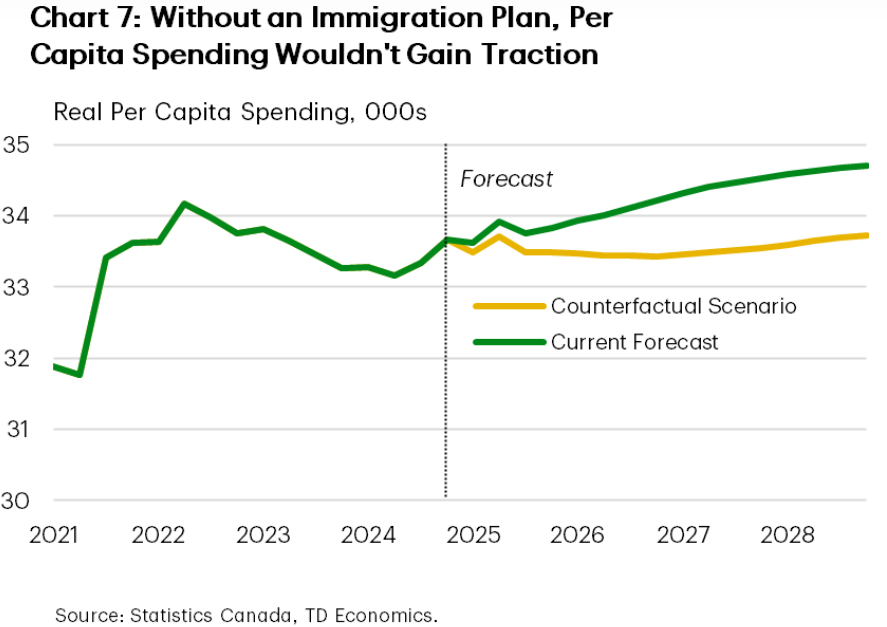
Meanwhile, the slowdown in migration has caused Canadian real per capita spending to start bouncing back, and it is forecasted to continue rising strongly throughout the rest of the decade.
In a counterfactual scenario in which higher migration was continued, it was expected to more or less stagnate where it is currently.
Even at an aggregate level, household spending is performing much more strongly than expected.
“Although the effects of shifting immigration flows led to intended effects on housing and the labour market, the effect on consumer spending proved a surprise. During the first half of this year, aggregate household spending surpassed most forecasts by not skipping a beat from the strength exhibited in the previous half-year.”
There have also been positive impacts on the housing market, the analysis found:
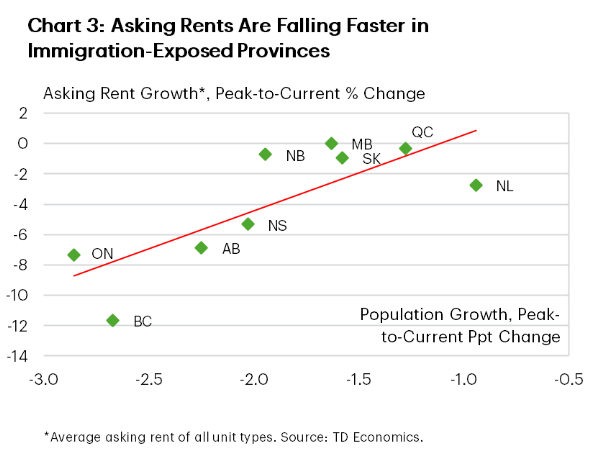
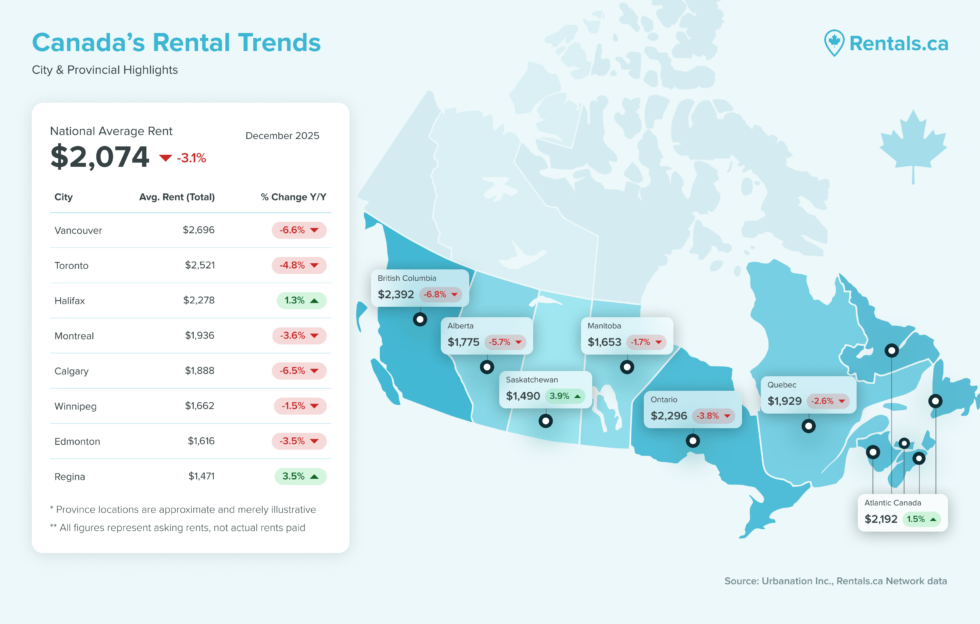
“Reduced immigration has moderated demand for purpose-built rentals and, consequently, rent growth. We estimate rent growth will likely average 2 percentage points (ppts) lower than the counterfactual scenario of maintaining higher population growth. Condo asking rents are also falling fastest in jurisdictions most exposed to immigration changes.”
The report stated in its conclusion that:
“The federal government’s revised immigration policy is beginning to pay dividends in returning balance to a stretched social infrastructure. Although the policy alone does not resolve all of Canada’s structural issues, it was an important reform at the right time in the economy. It has contributed to easing pressure in the national housing market—particularly in rentals—and has stemmed a harsher run-up in unemployment during a challenging economic period. “
Despite the warnings of calamity if migration were to be significantly cut, the move has instead put Canada on a better path.
Canada still faces very serious challenges and it is very much a long road ahead, but this gives Canadians at least a fighting chance to dig themselves out of the hole they now find themselves in.
Ultimately, a major cut to the migration intake was the will of the Canadian people, with a majority of first-generation permanent immigrants and non-white Canadians backing a cut, in addition to the broader populace.
